Description
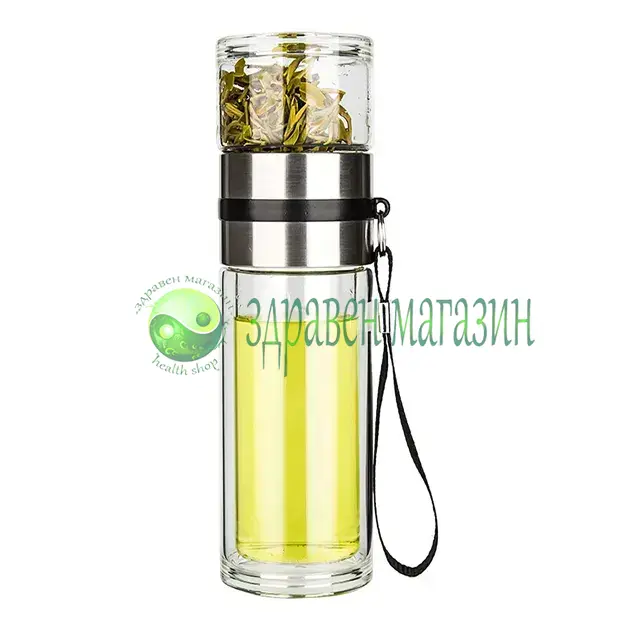
Material: Borosilicate Glass
Dimensions: 6.7 X 21.6 cm
Volume: 400 ml
Weight: 0.800 kg
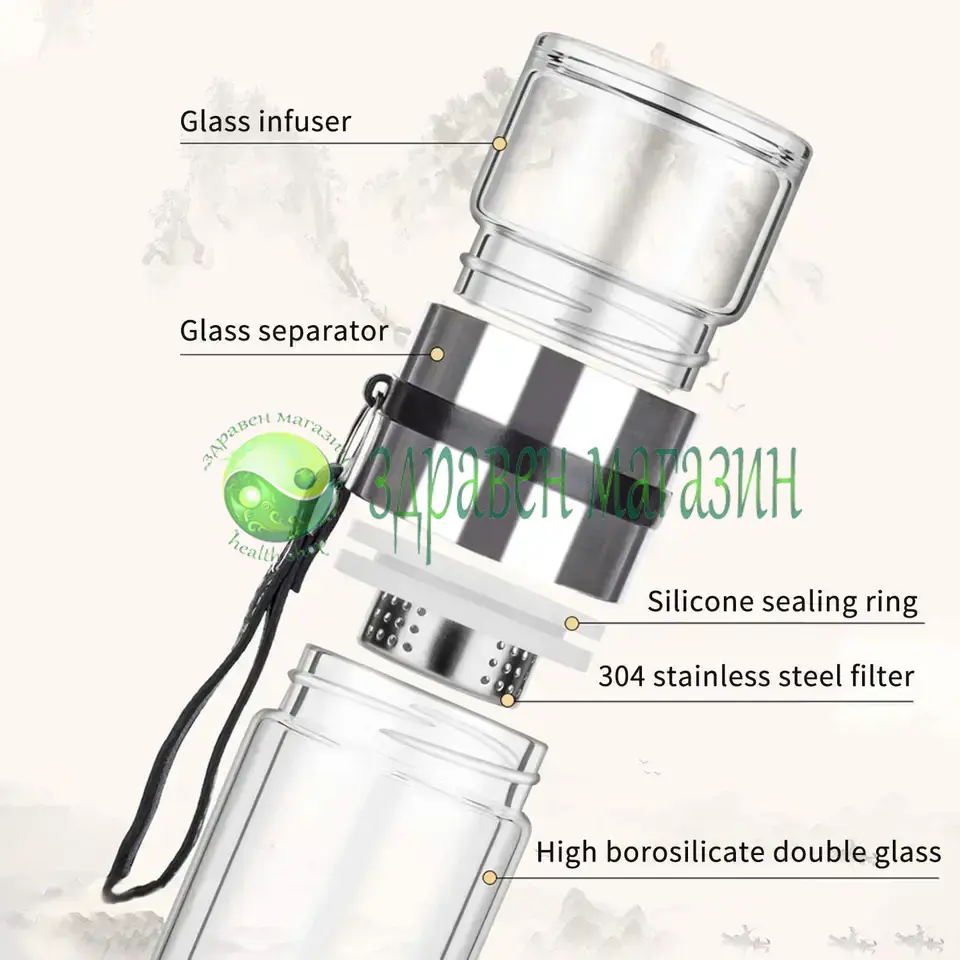
Borosilicate glass was discovered by the German glassmaker Friedrich Otto Schott. He began producing it in the German city of Jena at the end of the 19th century. This type of glass mainly contains two chemical elements – about 12-13% boron trioxide and 80% silicon dioxide. They are harmless to health and the environment, but they give the glass special properties.
Borosilicate glass is more difficult to produce than ordinary glass and requires a much higher temperature and special technology. This is one of the reasons why it is produced in only a few places in Europe and its price is higher. Borosilicate glass is more plastic than ordinary glass, which makes it suitable for making vessels with a much more complex shape.
Borosilicate glass is known for having a very low coefficient of thermal expansion (about 3 times lower than that of ordinary glass). For this reason, it is quite resistant to thermal shock and will not break, even with extreme temperature changes. Products made from this material can easily store very cold or hot drinks, as well as be placed in a refrigerator, microwave oven or dishwasher.
Borosilicate glass is known for its high chemical resistance. It minimizes the migration of sodium ions from the glass matrix. Whatever liquid you put in the bottle, the material will not interact with it and change its taste and aroma in any way, nor will it release any substances harmful to health. This is one of the reasons why this type of glass is used to store medicines and make ampoules, laboratory flasks and test tubes, etc. It is also used to make some expensive brands of wine glasses and other kitchenware. You can find it in some of the most elite wineries and restaurants in the world.
Borosilicate glass has such good chemical resistance that it is also used to store radioactive waste. This process is called vitrification.
When it comes to strength, this type of glass is harder, stronger, and more durable than regular glass. According to the Mohs hardness scale (where chalk has a hardness of 1 and diamond has a hardness of 10), borosilicate is categorized as 7.5. Regular glass has a hardness of about 5.7 to 6.
This means that borosilicate is more resistant to impact. If you drop a bottle made of this material on the ground, there is a good chance that it will remain intact. Of course, this depends largely on the height from which it falls, as well as the surface of the floor. If this does happen, the borosilicate glass breaks into larger pieces instead of shattering into thousands of tiny shards that are invisible to the eye but can cut you or get stuck under your skin.
Material: Borosilicate Glass
Dimensions: 6.7 X 21.6 cm
Volume: 400 ml
Weight: 0.800 kg
| Weight | 0.800 kg |
|---|---|
| Dimensions | 9 × 9 × 25.5 cm |


Reviews
There are no reviews yet.