Description
100% Natural
for healthy teeth and gums
Siberian larch is a juniper tree of the Pine family, with a pyramidal crown and a height of more than 40 meters. It is distributed from Altai to the Sayan in the north. It lives 500-700 years. There are also specimens older than 900 years. It is known for its strong wood. Now it is used in the construction of various objects; it is used in landscaping territories, and the fruit shoots and resin of the tree are used for medicinal purposes. Young shoots are collected in the spring.
It contains a large amount of essential oils (a-pinene borneol, bornyl acetate), ascorbic acid (vitamin C). The bark contains many tannins, glycosides, flavonoids, kachetins, organic acids, anthocyanidins. The seeds contain 18% quick-drying oil.
Use: actively used for cough (various etiologies), flatulence, kidney problems, voice changes. To prepare a decoction, use: 5-7 cups of saturated shoots, pour 1 liter of milk and boil over low heat for 15 minutes; strain and drink 3-4 times a day (250-300 ml). The course of treatment is from 1 week to several months, with a break for 10 days after each month of use.
Larch bark is an effective remedy for diarrhea, chronic prostatitis, prostate adenoma.
For an infusion, 5 tablespoons of young, chopped bark are needed, pour 1 liter of boiling water; leave to stand in a thermos overnight. In the morning, strain and drink 3-4 times a day;
For gout and varicose veins, compresses are made. For this purpose, boil a mass of larch in an enameled vessel until boiling; leave it to stand for 1 hour and then boil it for another 1 hour in a water bath. Make a compress with the remainder.
For abscesses, hemorrhoids, purulent wounds, for external use, make an infusion of young larch (leaf mass), prepared in the following way: 10 tbsp. are poured with 0.7 l of water; leave to boil for 15 minutes on low heat, then leave it to stand for 3 hours; strain and use;
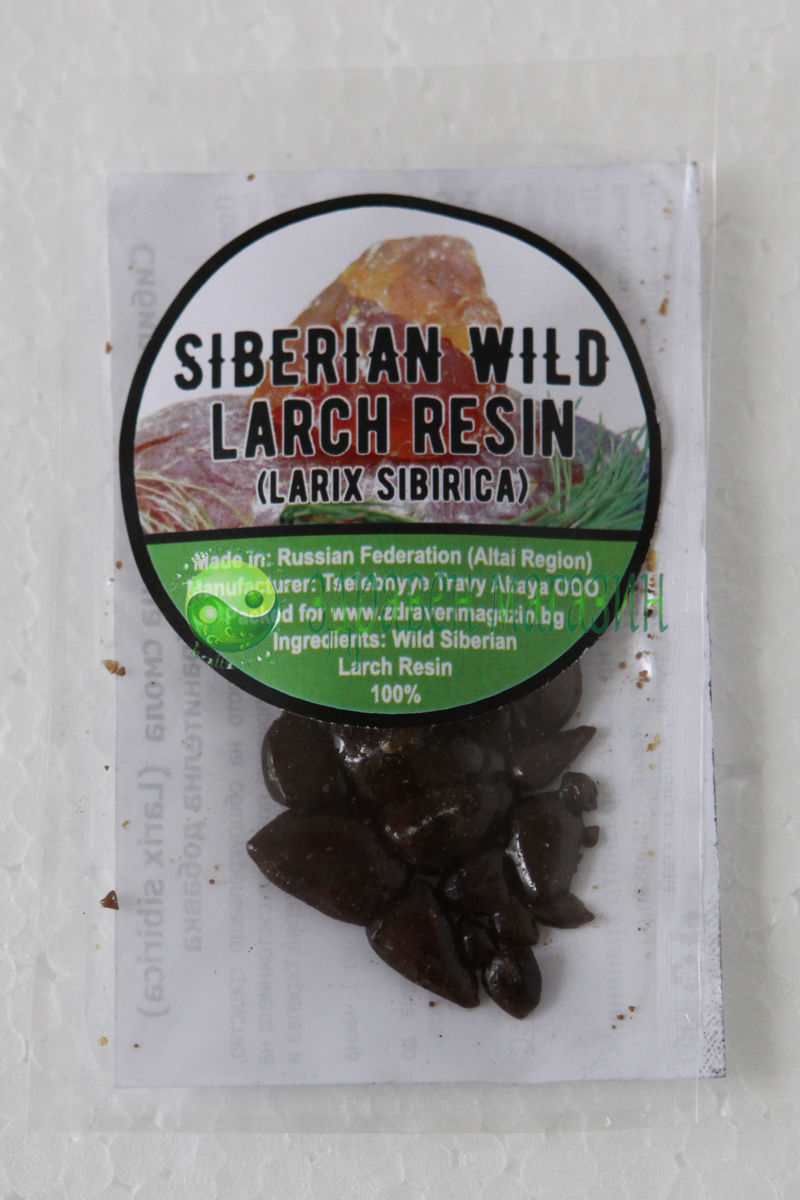
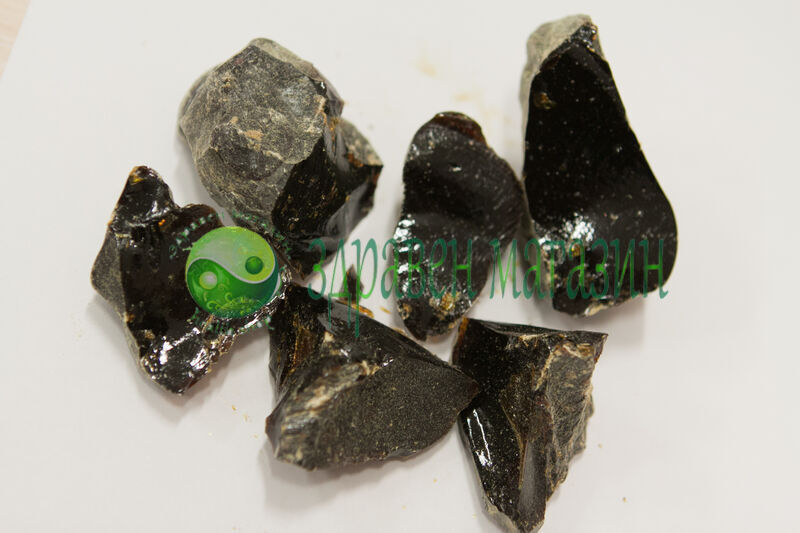
Chewing larch resin is used for toothache, inflammatory processes in the oral cavity and throat, for the prevention of periodontal disease and caries, for strengthening and restoring tooth enamel. The resin is rich in minerals, vitamins and fatty acids. It is also used for scurvy, tuberculosis, kidney and liver diseases, gastritis and others. The chewing resin is kept in the mouth for a short time, then chewed like ordinary gum.
Decoctions, infusions and elixirs from larch should not be taken internally by people with hypersensitivity, and should be used with caution by patients with a peptic ulcer, after a stroke, in severe CNS lesions and during pregnancy.
Use of larch in construction – it is increasingly used in construction and design. The material is completely natural, environmentally friendly and inexpensive, not inferior in strength to oak wood, resistant to any harmful effects such as rot and the effects of fungi. The material is durable, does not require much finishing, since the wood is smooth, with a variety of color shades (12 types), with a unique natural pattern. It is suitable for decorating the interior of buildings. It is safe for health;
Useful properties of larch for humans – the wood contains phytoncides, which are especially beneficial for health, improves breathing, strengthens immunity, and protects against infections. Larch products for the home contain unique natural substances that purify the air in the rooms. The bark contains tannins and organic acids, catechins, and anthocyanins. Essential oil is obtained from the larch, which is used in aromatherapy. It is useful for breathing problems, lung abscesses, bronchitis, rheumatism, gout, neuralgia, and lumbago; it is included in massage creams or used in its pure form. An analgesic that is used in compresses, healing baths, for cosmetic procedures, in shampoos and hair masks; It has long been attributed magical properties; it is chewed and not only disinfects the oral cavity, but also strengthens the gums. In general, it protects the body from bacteria and increases tone; has a laxative and hemostatic effect.
Qualities of larch
Larch contains vitamin C, essential oils and carotene. The dry matter of the larch contains 11% protein, 8% fat, 10% hydrocarbons, 4.5% starch and hemicellulose, 0.2% phosphorus. 18% fat was found in the seeds; 6-30% tannins in the bark; up to 47% lignin, and 16% essential oil in the resin. In practice, essential oil is used in pure form or as a component of massage creams. For colds, coughs and constipation – 2 tsp. chopped larch is poured with 1 tsp. milk; boil on low heat for 5-7 minutes, leave to stand for 1 hour and strain; take 2-3 tbsp. warm decoction 2-3 times a day, 30 minutes before meals.
Recipes for purulent wounds, skin ulcers, wet eczema, chapped lips, nipples, burns, non-healing wounds:
Mix equal amounts of resin and yellow wax, sunflower oil
(hot) and propolis and lard. Boil briefly in a water bath and mix. After cooling, use as an ointment or a plaster. The affected areas are cleaned, smeared and bandaged. The bandage is removed and the wounds are washed with the following composition: 1 tbsp. quicklime is poured with 2 liters of warm water and left for 3-4 days, the transparent part is separated and the wounds are washed;
For periodontitis – chew the resin;
For acute toothache, inflammation of the gums, resin can be used, chewed in the form of a plate and placed on the tooth or gum. After 3-5 minutes, the pain decreases;
For hemorrhoids, the resin is made into suppositories and used that way;
For cough, bronchitis, tuberculosis and other lung diseases, the resin is boiled in milk and, after straining, drunk 3 times a day;
For stomach problems, colon ulcers, burns, hiccups, swallow resin 3 times a day, 1 g before meals;
50 mg of resin (crushed) is made into balls with sugar and taken three times a day, 2-3 pieces. before meals. It is taken for one month. It is also used for inflammation of the lungs, stomach and colon ulcers, burns and hiccups.
It is recommended that all folk recipes be used after consulting a doctor.
Recipes:
A decoction of young shoots (twigs), which are boiled for 48 hours, is a wonderful remedy for headaches, heart pain, liver and kidney diseases.
Purulent wounds, eczema, burns, chapped skin can be cured with an ointment from the resin (for chewing) of the larch. Mix the resin, propolis and yellow wax, plus sunflower oil, taken in equal amounts, melt in a water bath and after the mixture cools, use externally for smearing and compresses.
For severe toothache, chew larch resin and place a piece of resin on the aching tooth, the pain decreases after 2 minutes.
Resin is also used for hemorrhoids. Make similar rectal suppositories.
For bronchitis, pneumonia, cough, tuberculosis and other lung diseases, inhalations are made from the resin, resin is boiled with milk and drunk 3 times a day.
For stomach diseases, burns, colon ulcers, swallow 50 g of larch resin 3 times a day before meals.
Contraindications: for individual intolerance, for intestinal ulcers, after stroke and heart attack, diseases of the CNS, during pregnancy and breastfeeding.


Reviews
There are no reviews yet.